Ultra-high-purity (UHP) chemical distribution is a critical component of modern-day semiconductor production, where also small amounts of contamination can affect procedure efficiency, wafer high quality, and production uniformity. A UHP chemical distribution system is created to move chemicals from bulk storage to the production area while keeping regulated flow, purity, security, and dependability throughout the trip.
The process normally involves a number of connected phases: chemical storage space, regulated transfer, circulation with specialized piping, monitoring and automation, and last point-of-use distribution. Each stage is made to minimize contamination and make sure that the called for chemical reaches the procedure tool in a constant problem.
Action 1: Bulk Chemical Storage Space
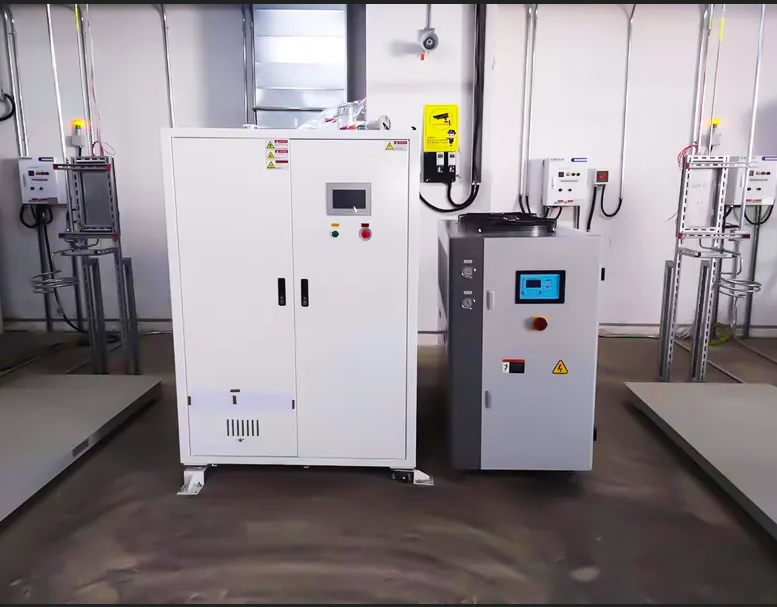
The journey begins with mass chemical storage. Chemicals are preserved in appropriately created storage space containers or containers that shield the product from environmental direct exposure and unwanted contamination. Depending on the chemical and facility demands, storage systems might include monitoring devices for specifications such as liquid level, pressure, temperature level, and system standing.
Automation can help operators keep an eye on chemical inventory and recognize abnormal conditions prior to they disrupt production. Reputable storage management is particularly vital in semiconductor centers since chemical accessibility must be kept without jeopardizing pureness or security. To recognize even more at https://www.chengweisemi.com/product/ .
Action 2: Controlled Chemical Transfer
From the storage location, chemicals are transferred toward the production center through a controlled distribution facilities. A Chemical Delivery System (CDS) can automate vital facets of this bulk transport procedure.
For high-purity UHP Chemical Dedelivery Cabinet applications, electropolished 316L stainless-steel piping is typically used where compatible with the chemical and system layout. Properly engineered piping helps in reducing prospective resources of contamination and sustains the controlled activity of chemicals over the needed range.
The transfer stage may include pumps, valves, pressure controls, sensors, filtering parts, and automated control systems. These components work together to keep the desired operating conditions as chemicals move from storage toward their destination.
Step 3: Circulation Through UHP Piping

Once chemicals go into the center distribution network, they take a trip via devoted piping toward specific production areas or process areas. The piping framework is an important part of the UHP chemical delivery chain because the chemical must stay within regulated conditions during transportation.
System style can include carefully taken care of flow paths, automated valves, keeping an eye on instruments, and ideal connection modern technologies. Decreasing unnecessary direct exposure and keeping a controlled atmosphere throughout the circulation network helps sustain the pureness requirements of requiring semiconductor procedures.
Automation likewise allows the system to monitor running criteria continually. If an abnormal pressure, flow condition, or leak is discovered, the control system can start proper actions according to the facility's security and running treatments.
Tip 4: Point-of-Use Chemical Delivery
The final stage is point-of-use shipment, where the chemical is provided to a details process device or production application. This phase requires exact control due to the fact that the procedure might call for a precise chemical concentration, flow price, or combination.
A Chemical Delivery Component (CDM) can sustain point-of-use chemical handling by providing features such as specific blending, dilution, metering, and controlled delivery. As opposed to merely carrying bulk chemicals, the CDM concentrates on preparing and supplying the chemical according to the needs of the downstream procedure.
This distinction in between mass transport and point-of-use prep work is necessary. A CDS can take care of the motion of chemicals from storage to the facility, while a CDM can provide more localized control prior to the chemical gets to the process tool.
Automation and Tracking Throughout the Process
Automation links the different phases of UHP chemical distribution. Programmable reasoning controllers (PLCs), sensors, shutoffs, alarm systems, and monitoring systems can interact to offer continual oversight of chemical motion.
Level monitoring can assist track supply, while pressure and flow sensing units offer info concerning system efficiency. Automated leakage discovery can offer an additional layer of protection by recognizing uncommon problems promptly. These capabilities can reduce the demand for hand-operated intervention and assistance a lot more constant procedure.
Data from the distribution system can likewise help drivers understand system standing and respond to prospective concerns. In a high-volume semiconductor manufacturing setting, this exposure can contribute to enhanced integrity and production connection.
Why a Controlled Distribution Path Matters
Relocating a chemical from mass storage space to a procedure tool is more than a transportation job. Every stage can influence chemical pureness, safety, uniformity, and availability. A well-designed UHP shipment style as a result considers the complete course as opposed to dealing with storage, circulation, and point-of-use distribution as isolated features.
Solutions such as Chengwei's Chemical Delivery Equipments and Chemical Delivery Modules show this integrated approach. The CDS can sustain bulk chemical transport through high-purity circulation framework, while CDMs can supply controlled preparation and distribution closer to the point of usage.
Conclusion

The UHP chemical trip begins in controlled bulk storage space and proceeds via automated transfer equipment, specialized circulation piping, and monitored shipment infrastructure before getting to the procedure tool. At each stage, preserving pureness, controlling flow, checking system conditions, and improving driver safety are essential.
By integrating automatic CDS technology for mass transportation with CDM innovation for precise point-of-use prep work, semiconductor producers can establish an extra controlled chemical distribution path. This integrated technique assists sustain the requiring pureness, precision, safety and security, and integrity demands of modern semiconductor manufacturing.